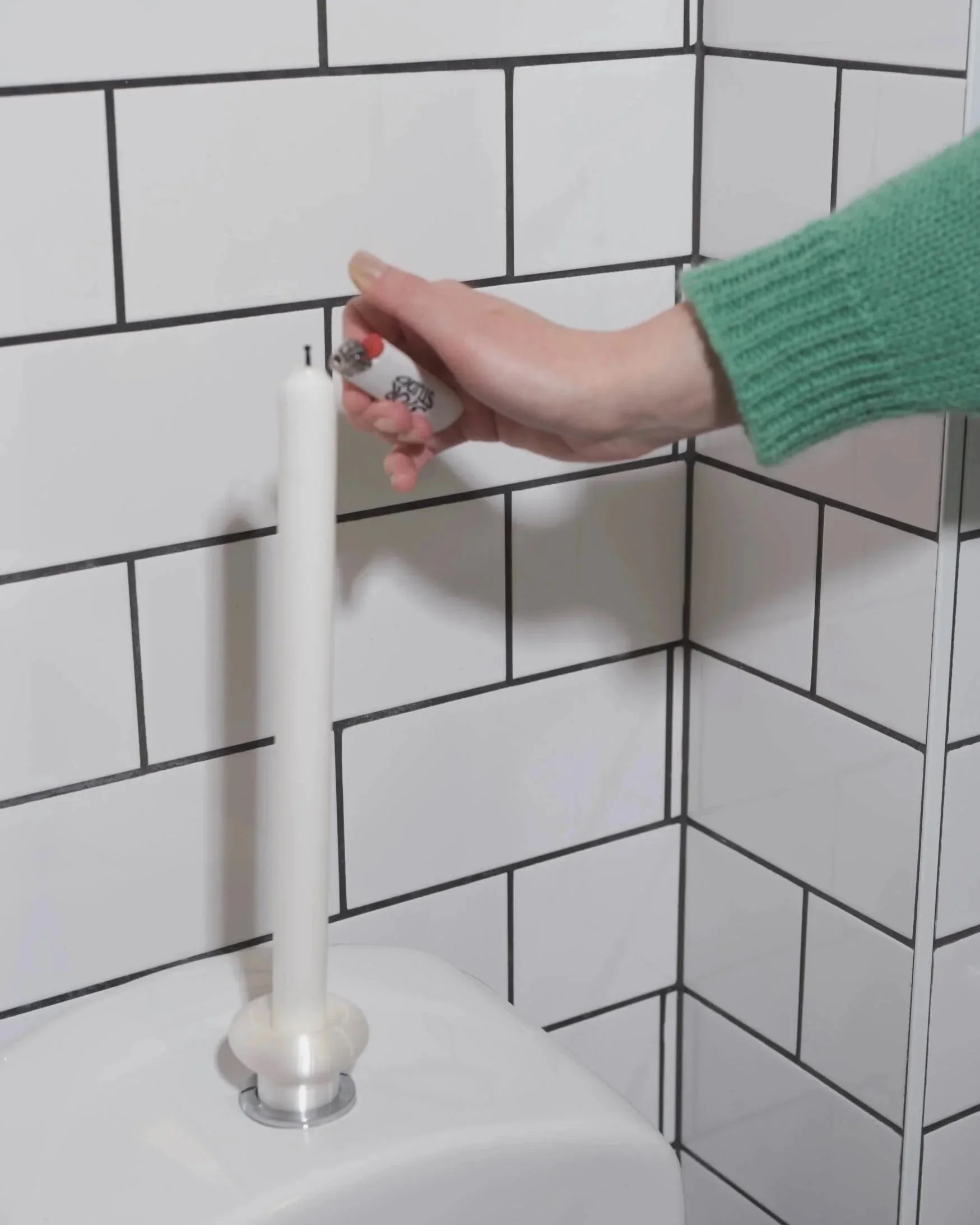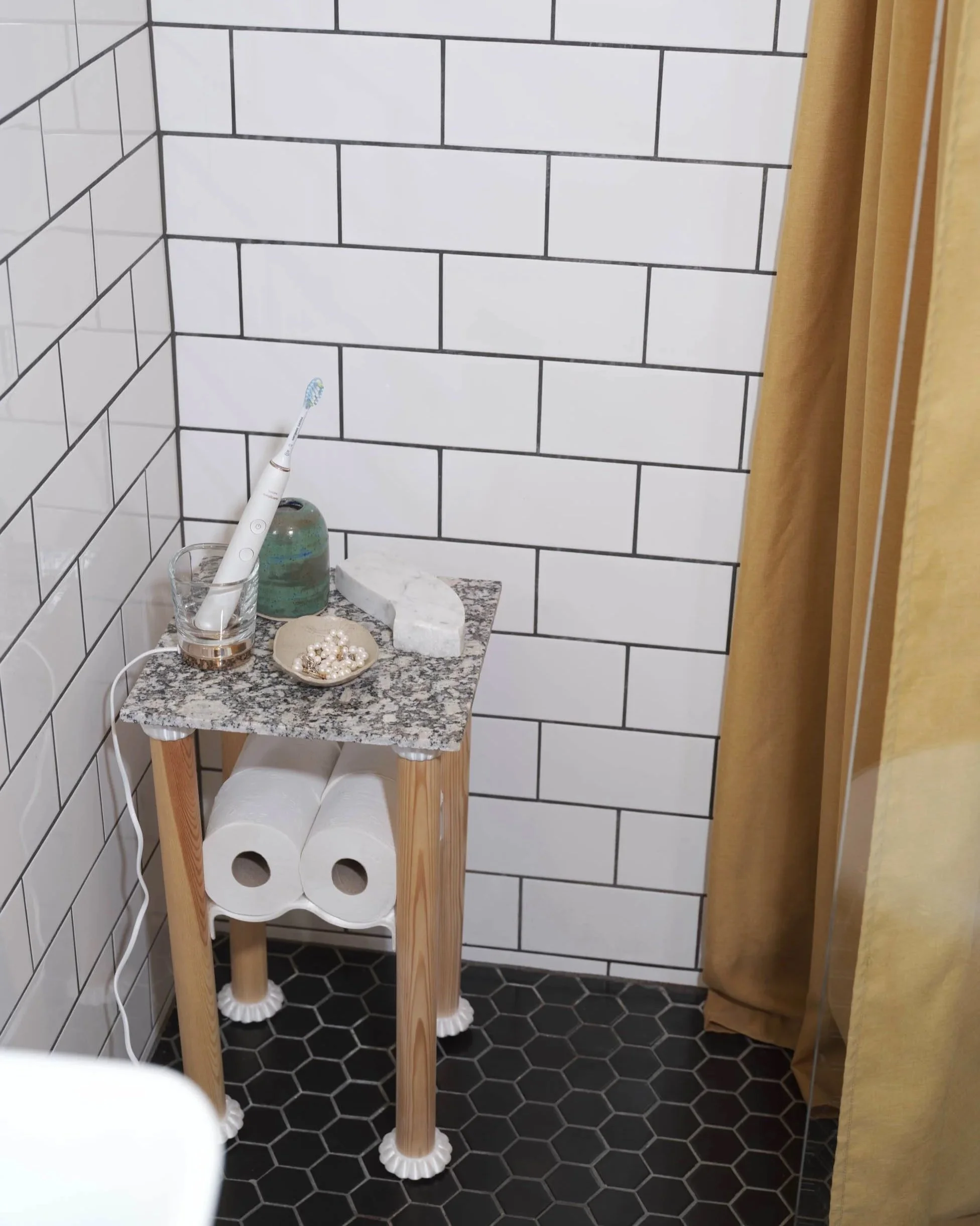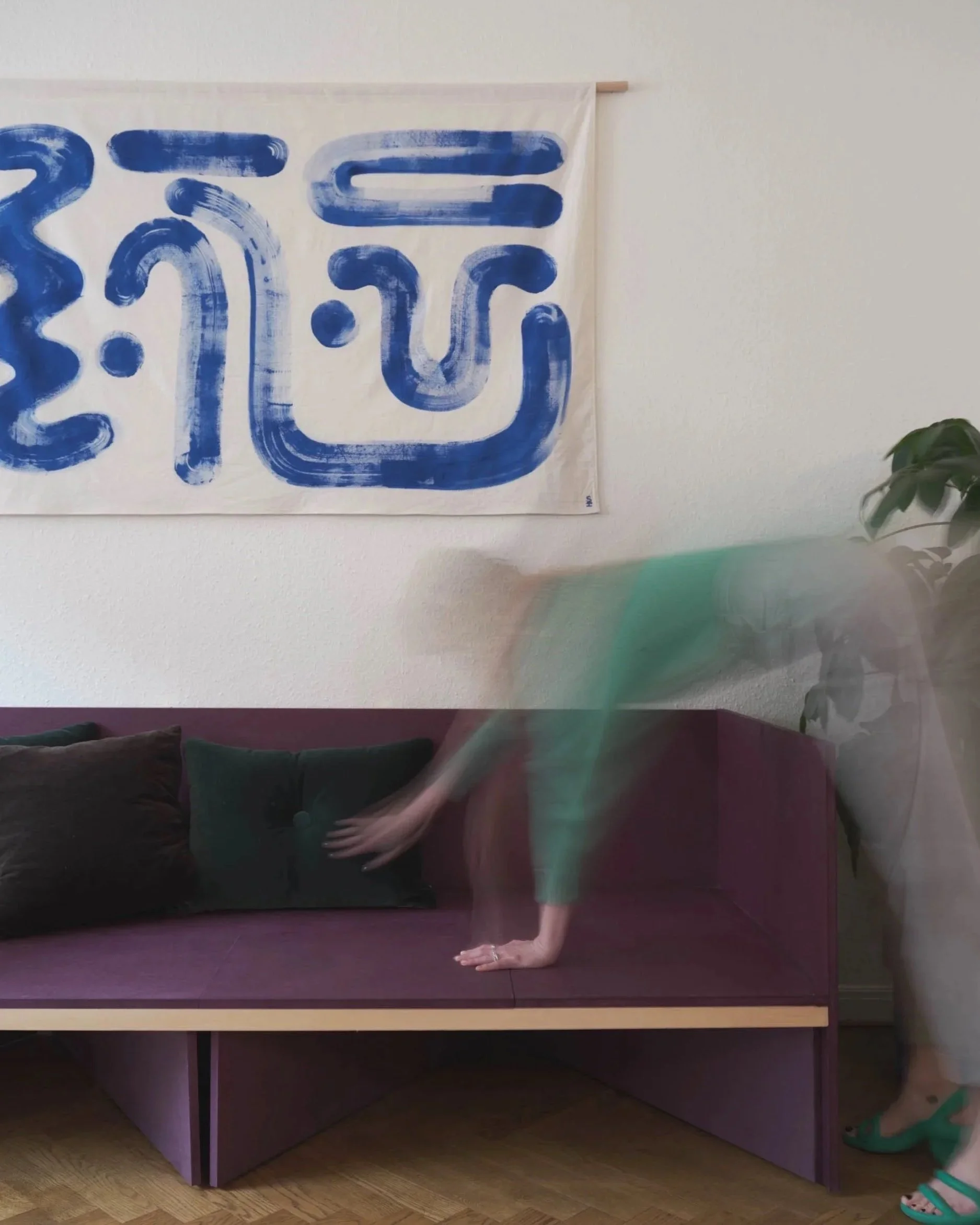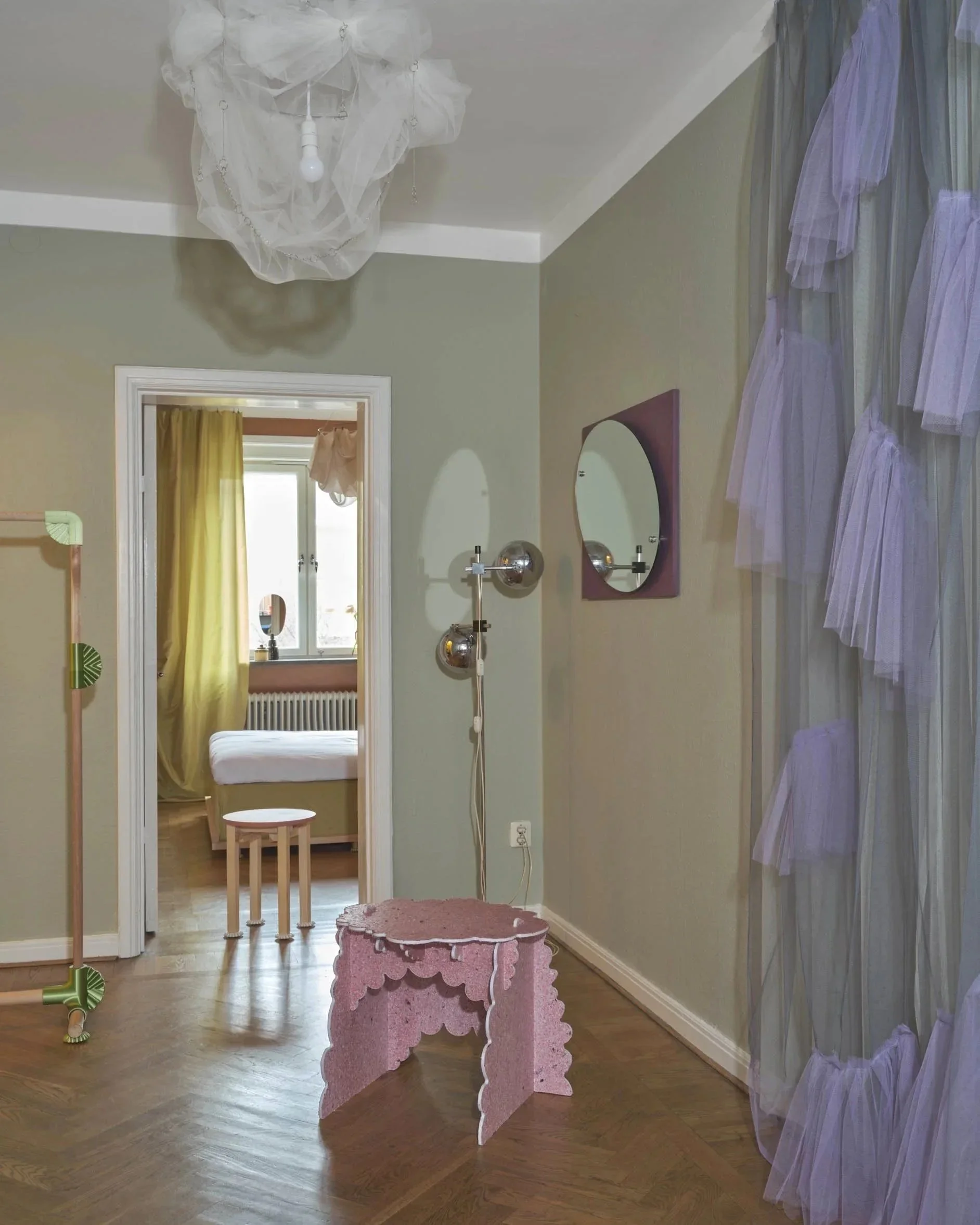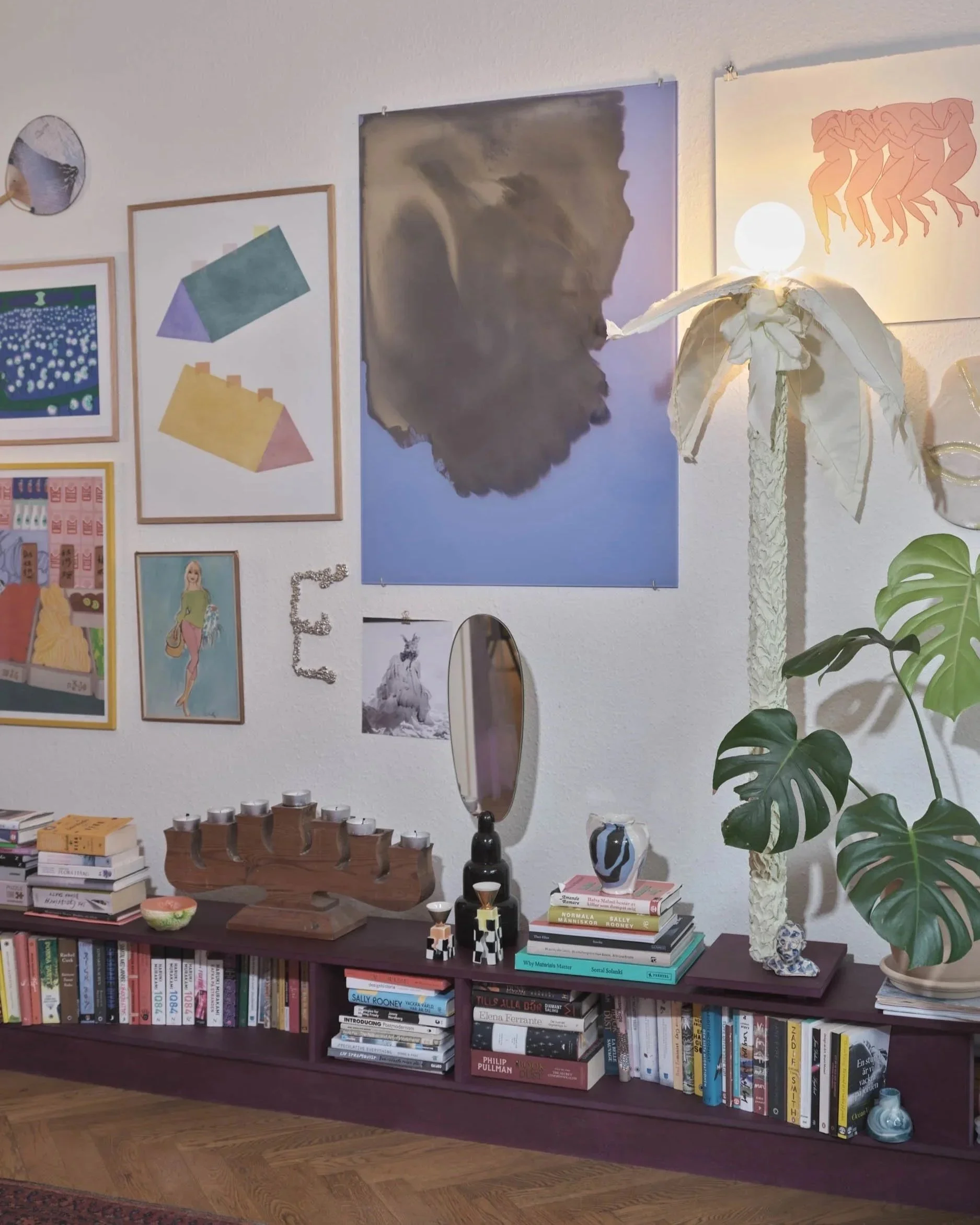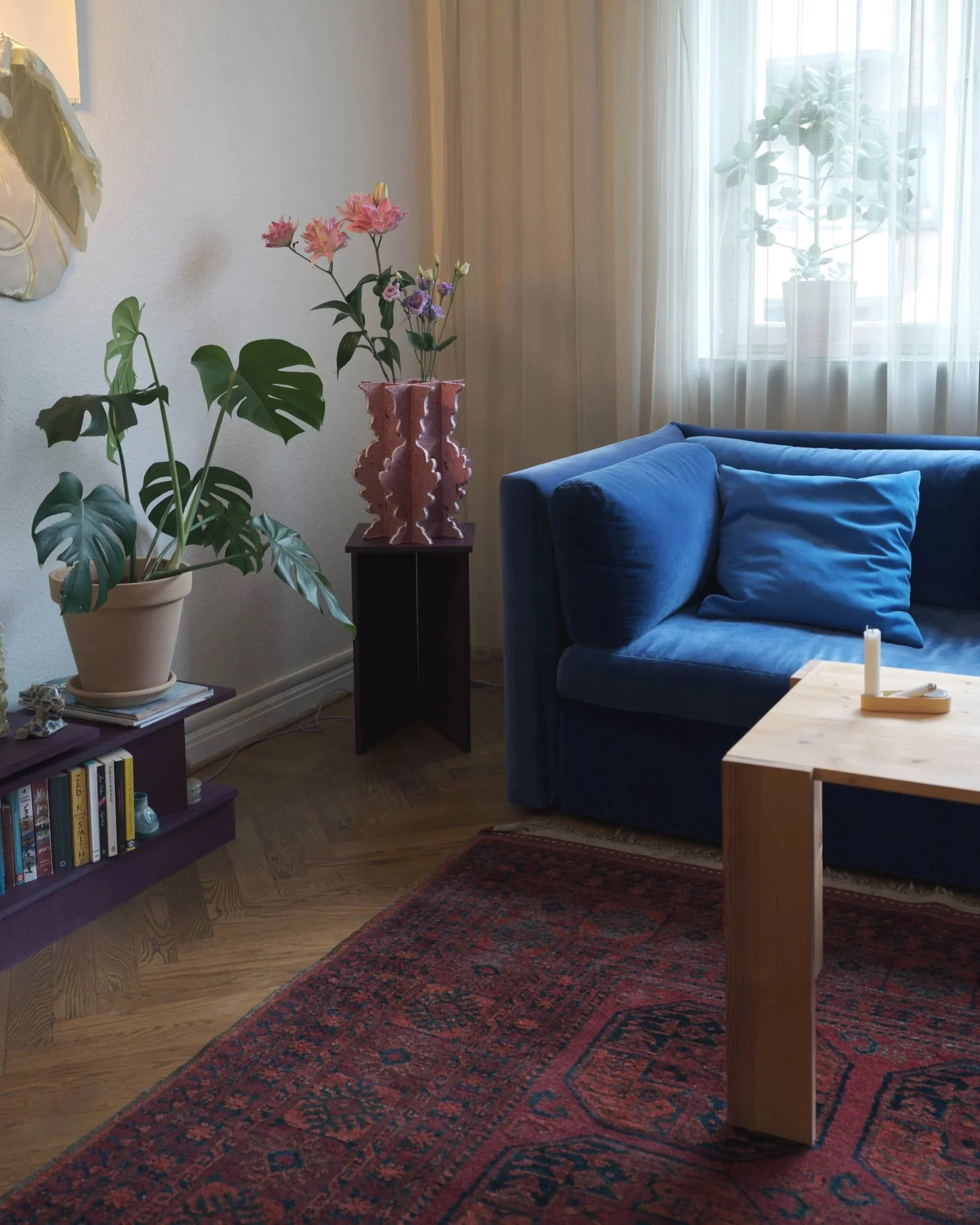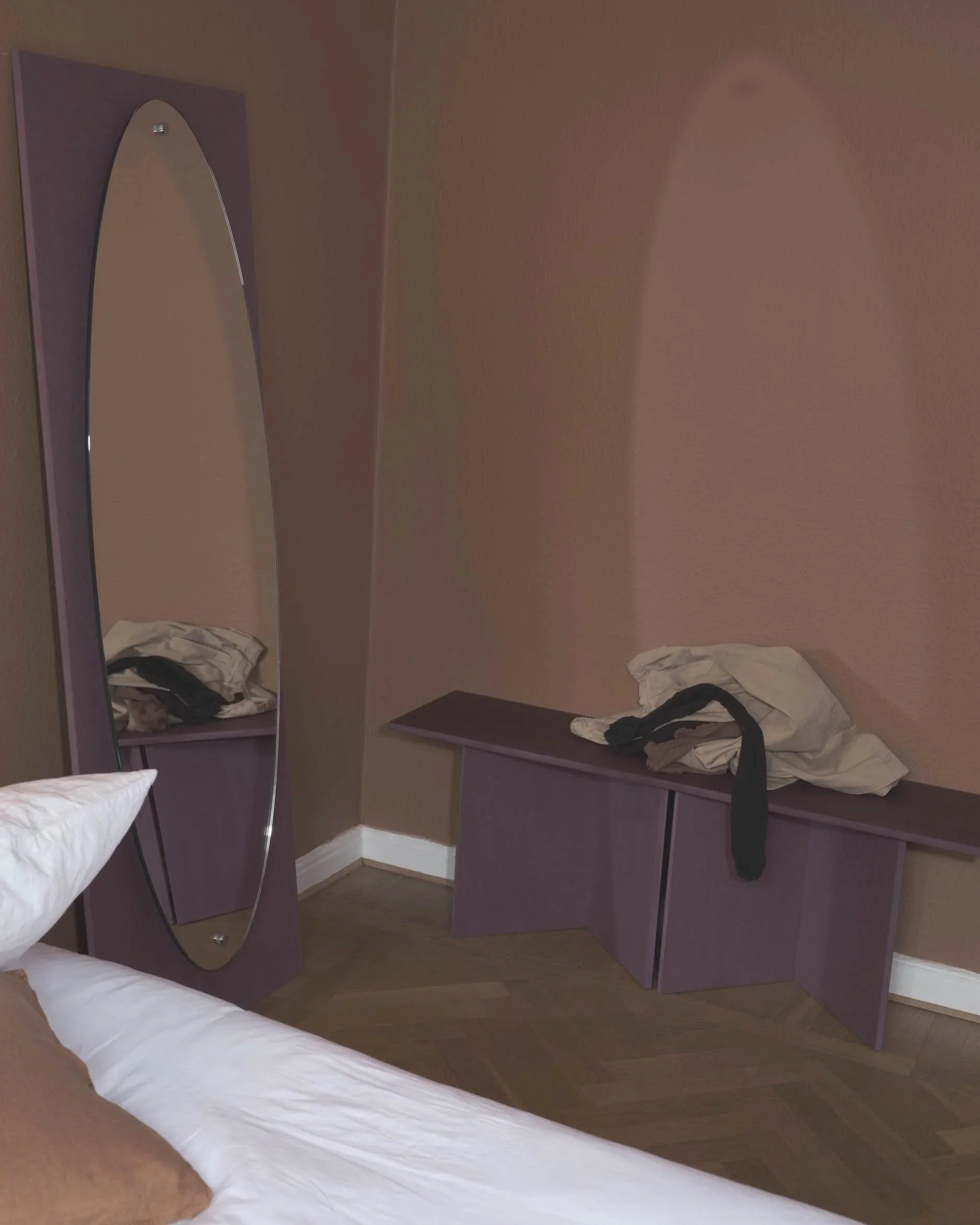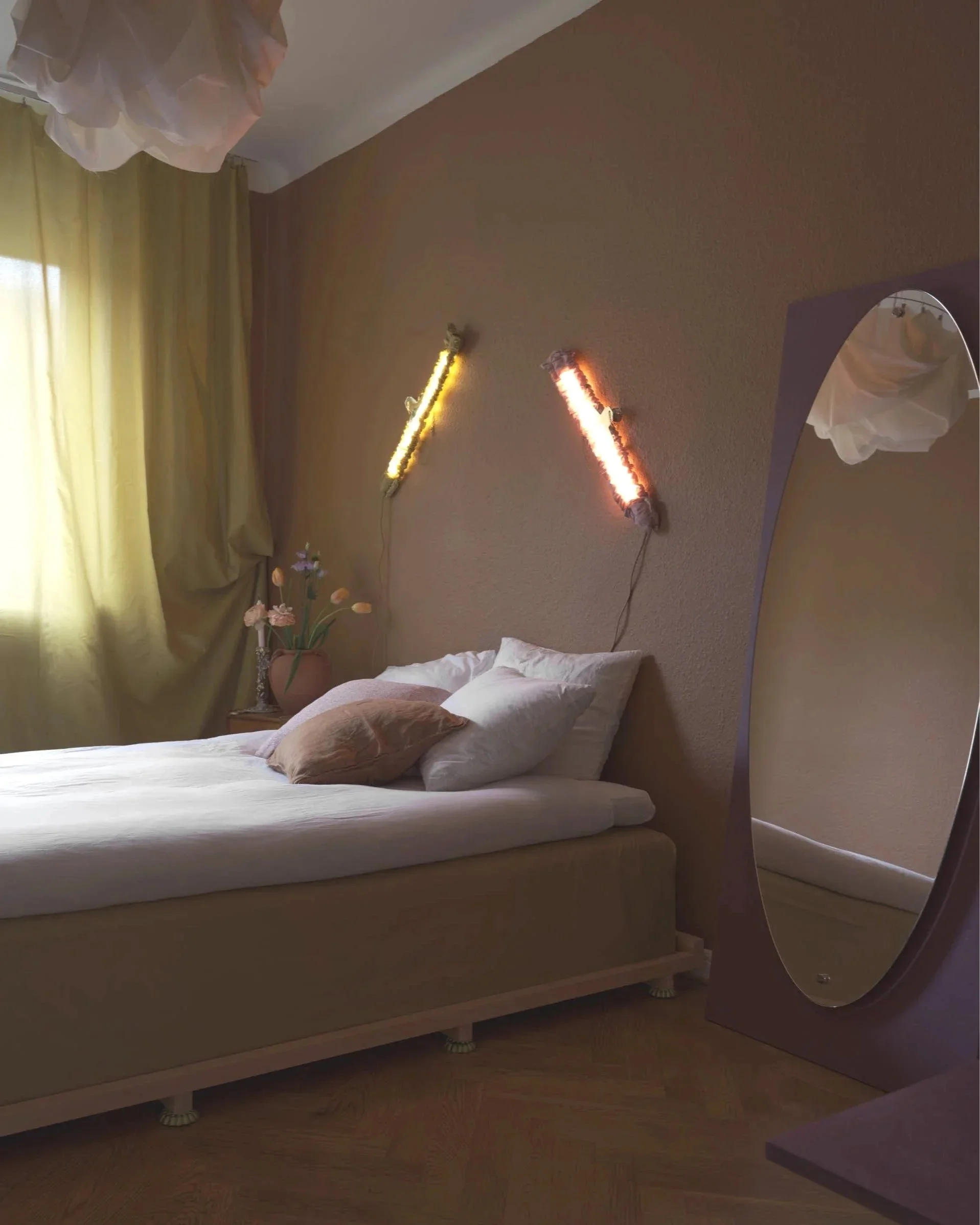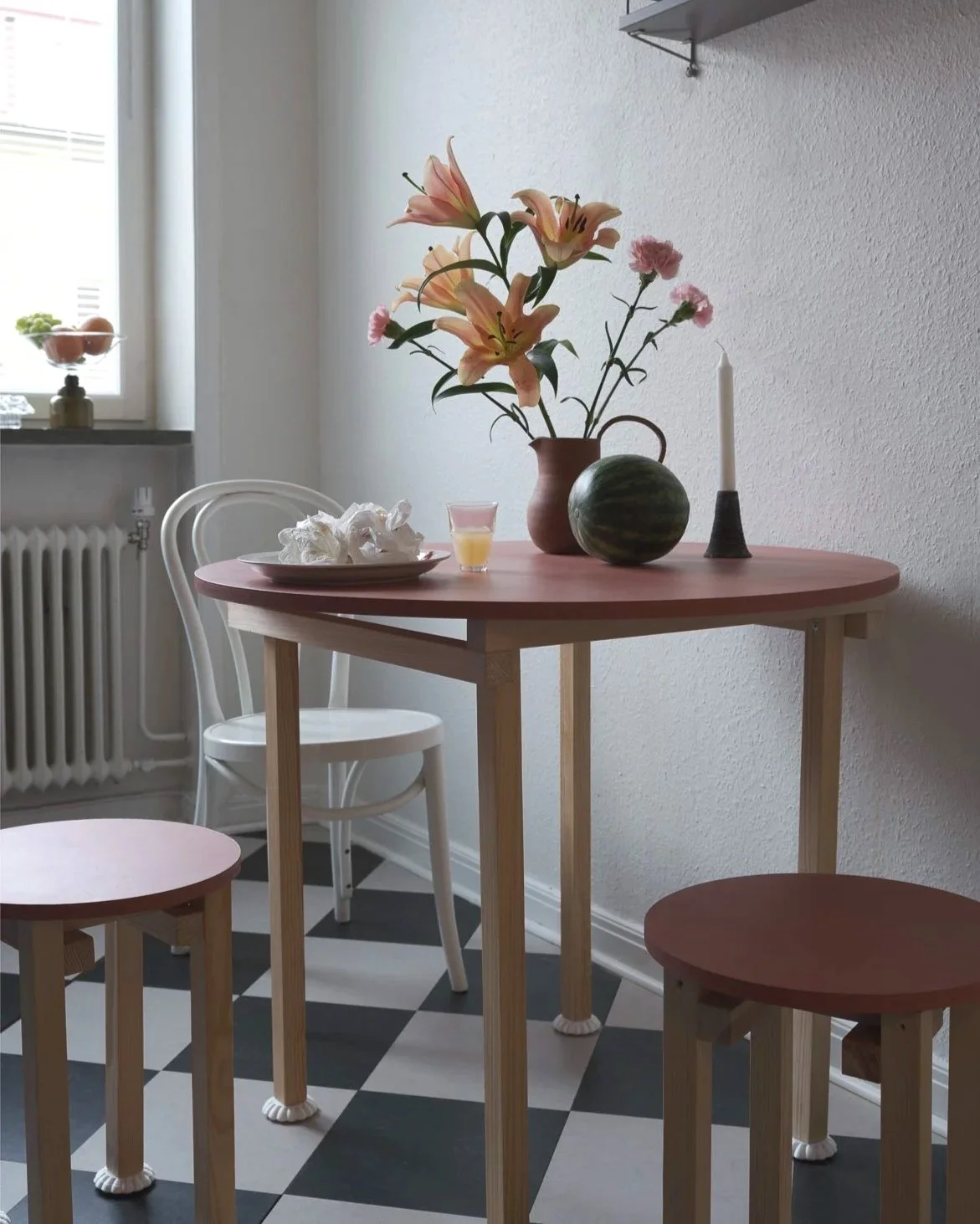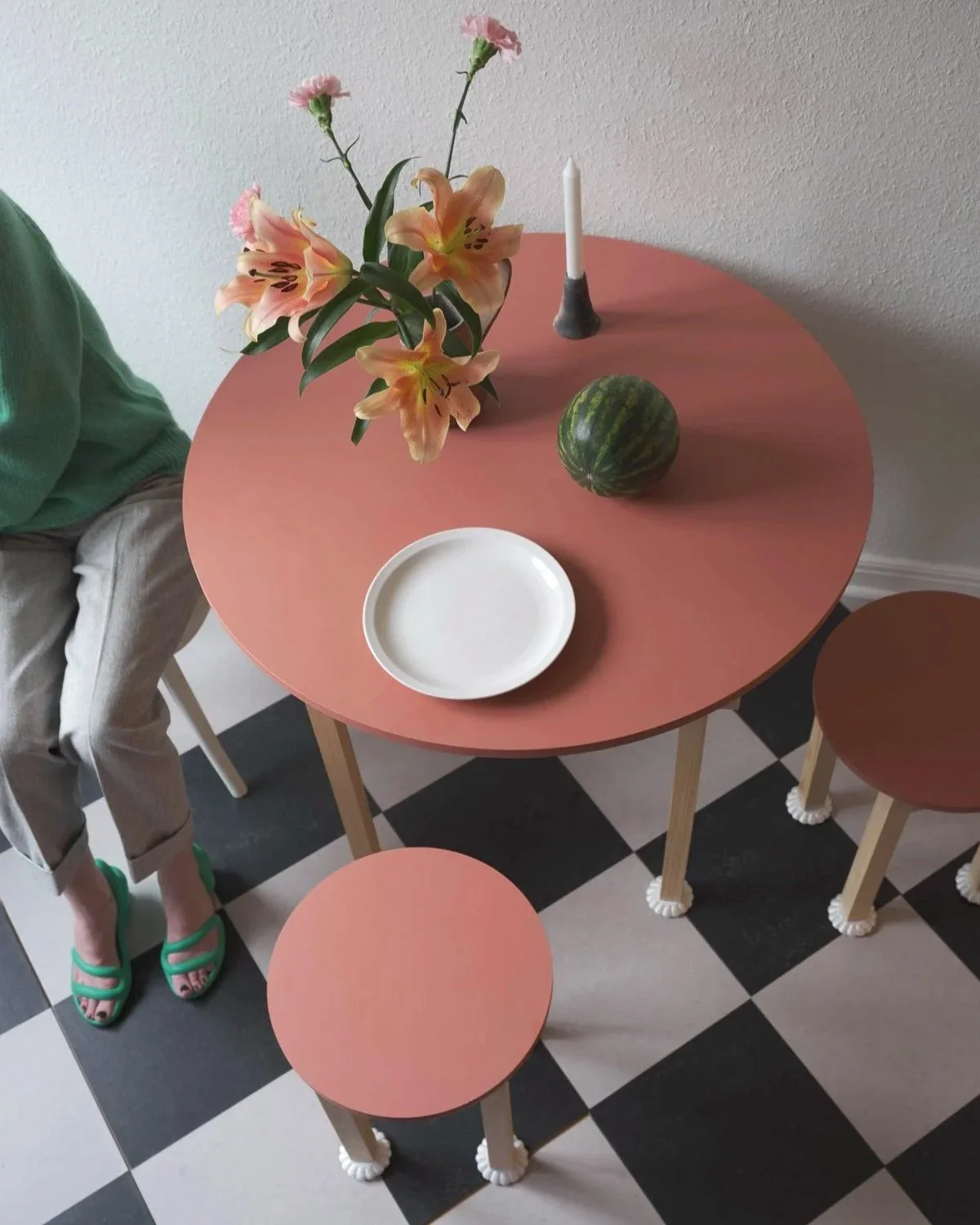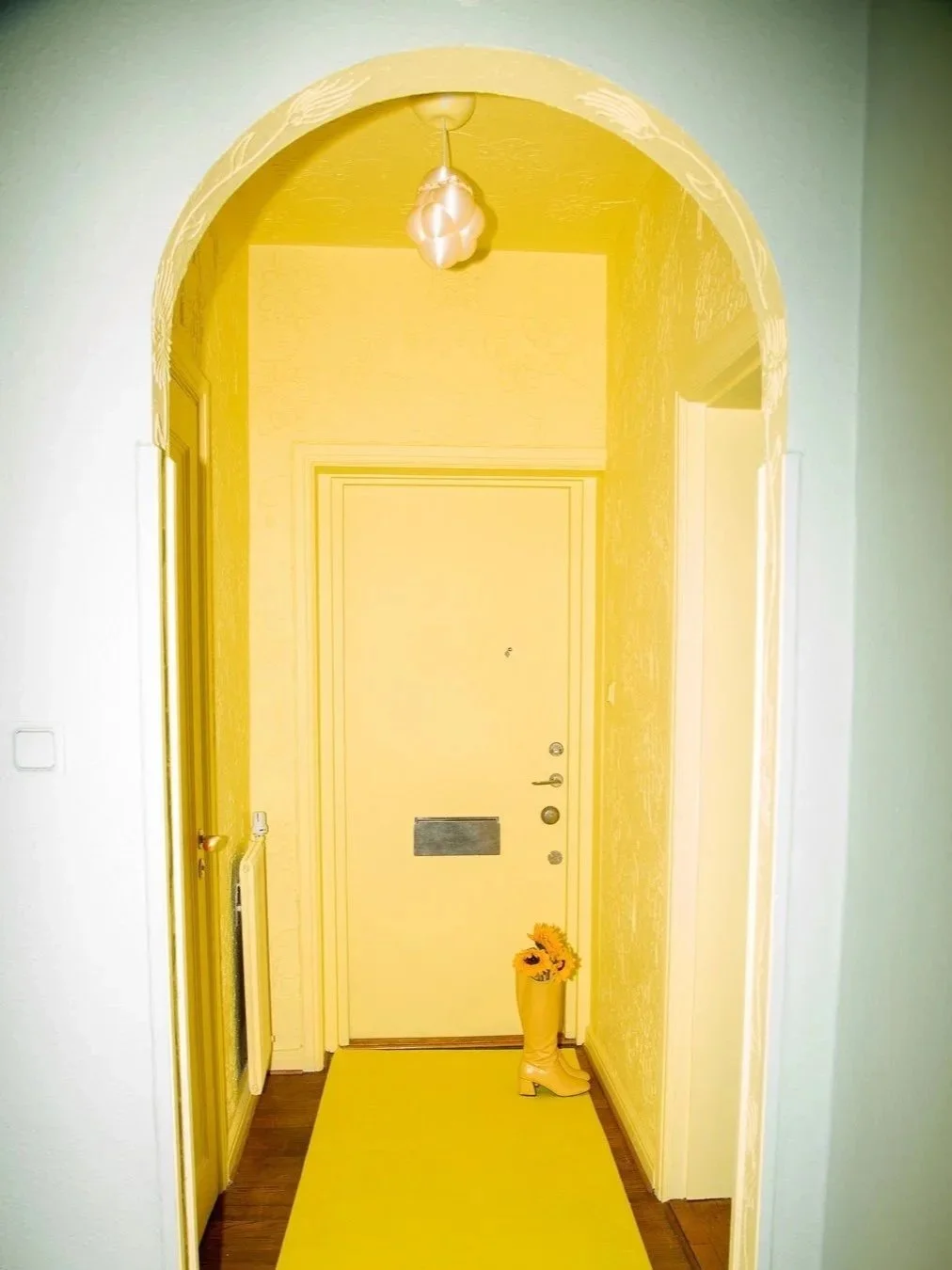
scenes from a home
2022, Home, Factory, Gallery, Store
During the spring of 2022, I transformed my apartment from a private space to a public stage. I created a workshop in my living room and gradually replaced all my interiors with new ones that I designed and built. Living in the design process makes creativity intuitive.
When every old object had been replaced by a newly designed and built one, I opened the doors to the public.
My home became a concept store, "a true lifestyle brand," where everything had already been lived with, and everything was for sale — from doorknob to sofa.
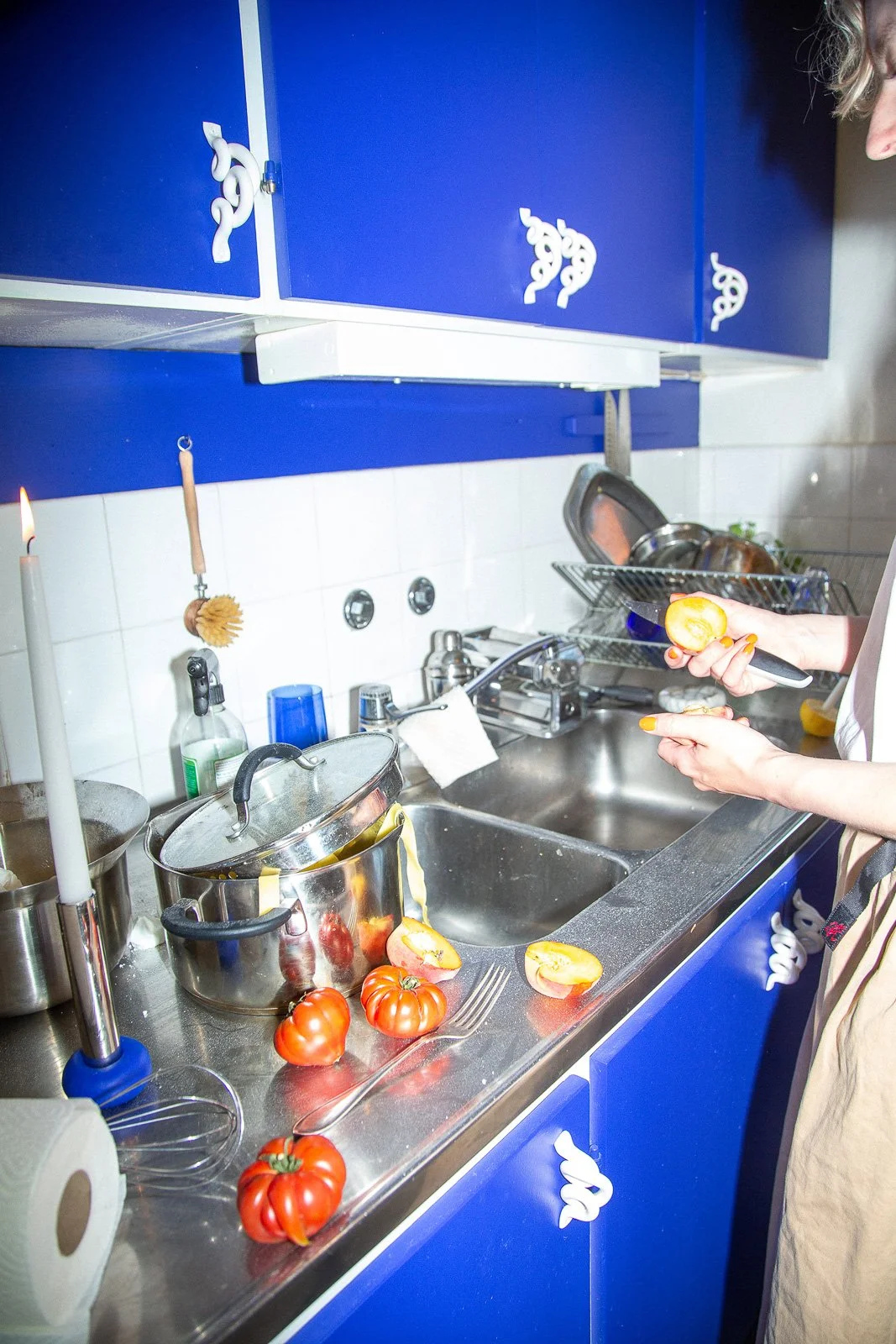
Our interest in interior design is growing, with inspiration all over the internet, making it fairly easy to create a magazine-worthy corner in one's home and post it on Instagram. I like these corners, the still lives pretending to be real. But I also think it creates a lot of pressure to "show off" even our most private spaces for a lot of judging eyes.
Is your home unique enough? And in this sense, are you? The need to be trendy creates desperate consumption patterns, resulting in a sort of "fast fashion of things": cheap, mass-produced, and temporary.
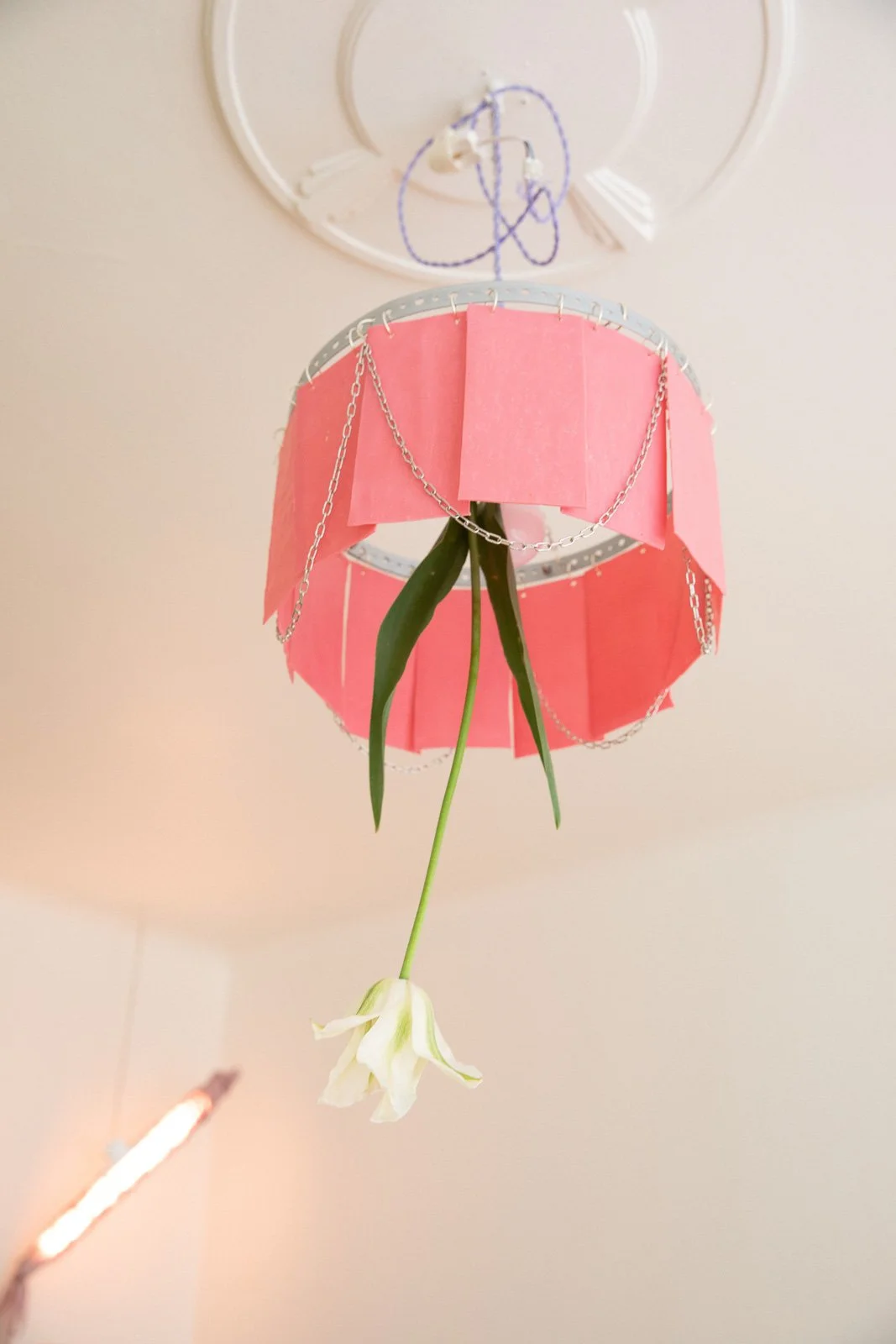
Is it possible to turn your back on the bustle? Or at least do it another way? I did lifestyle-brand the ridiculous way. What is more lifestyle than buying the bed the designer built, designed, and slept in for the last couple of months? Also, by placing both production and sales in the limited space of my apartment, the distribution chain is cut short. It's a process, a comment, an experiment.
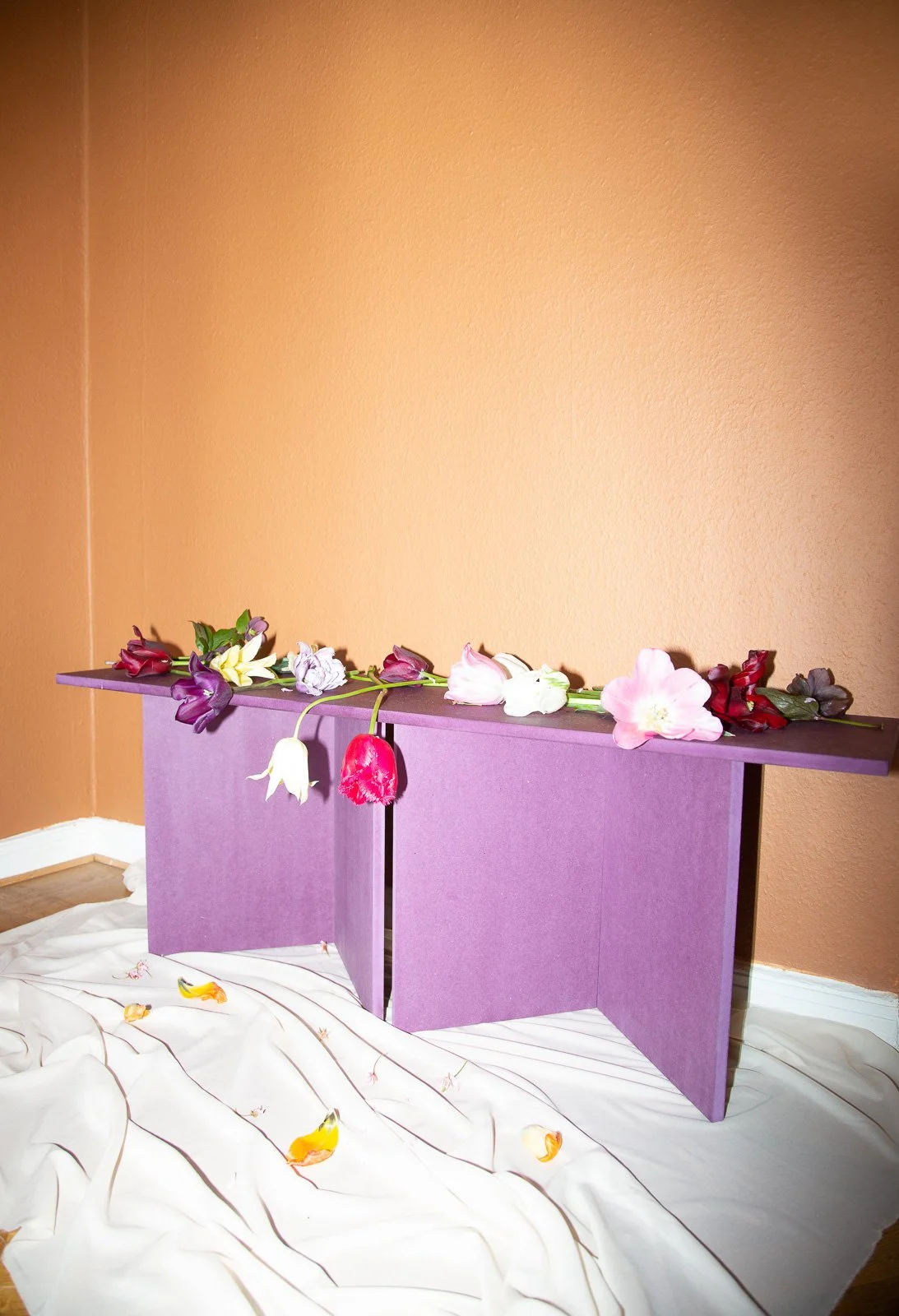
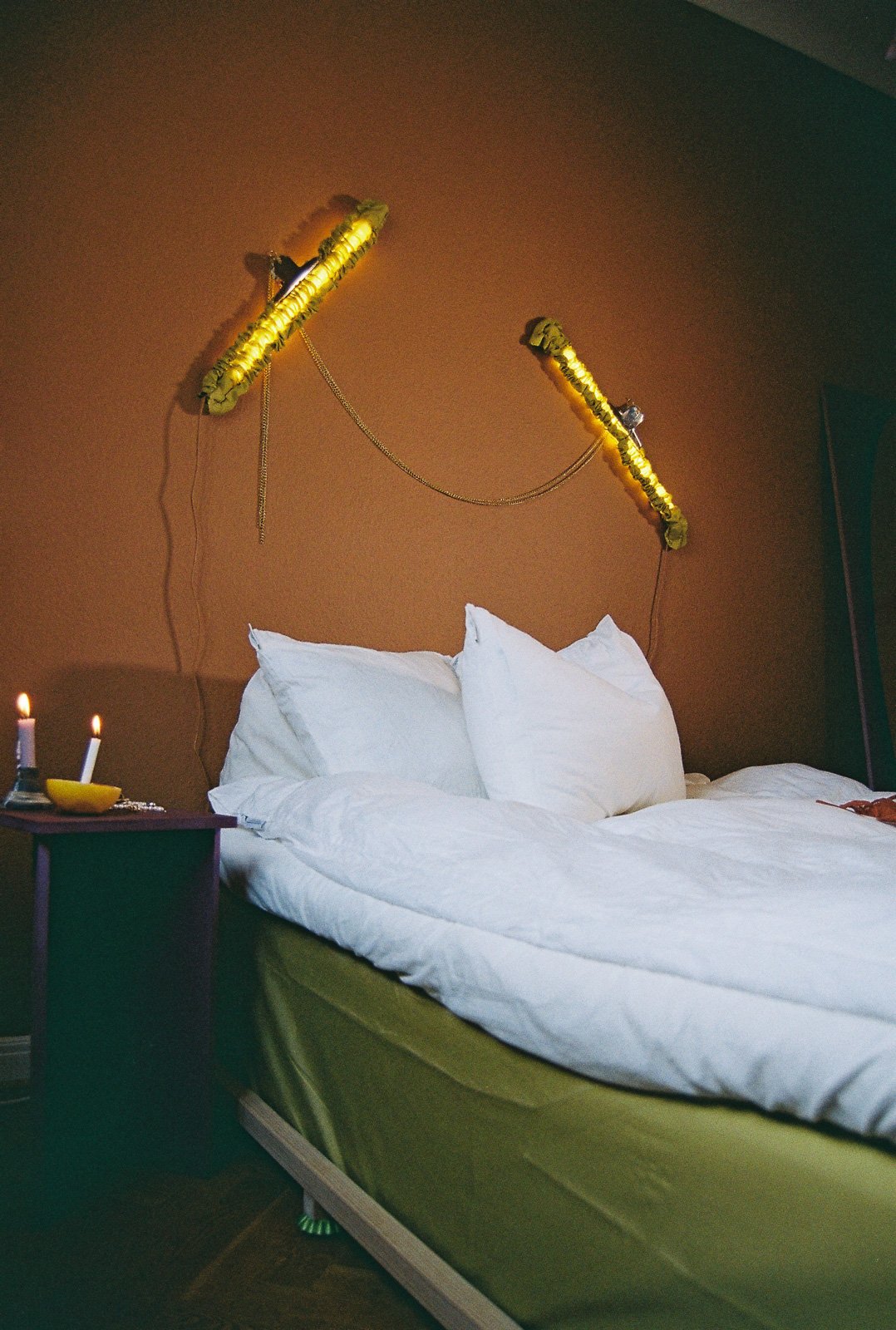
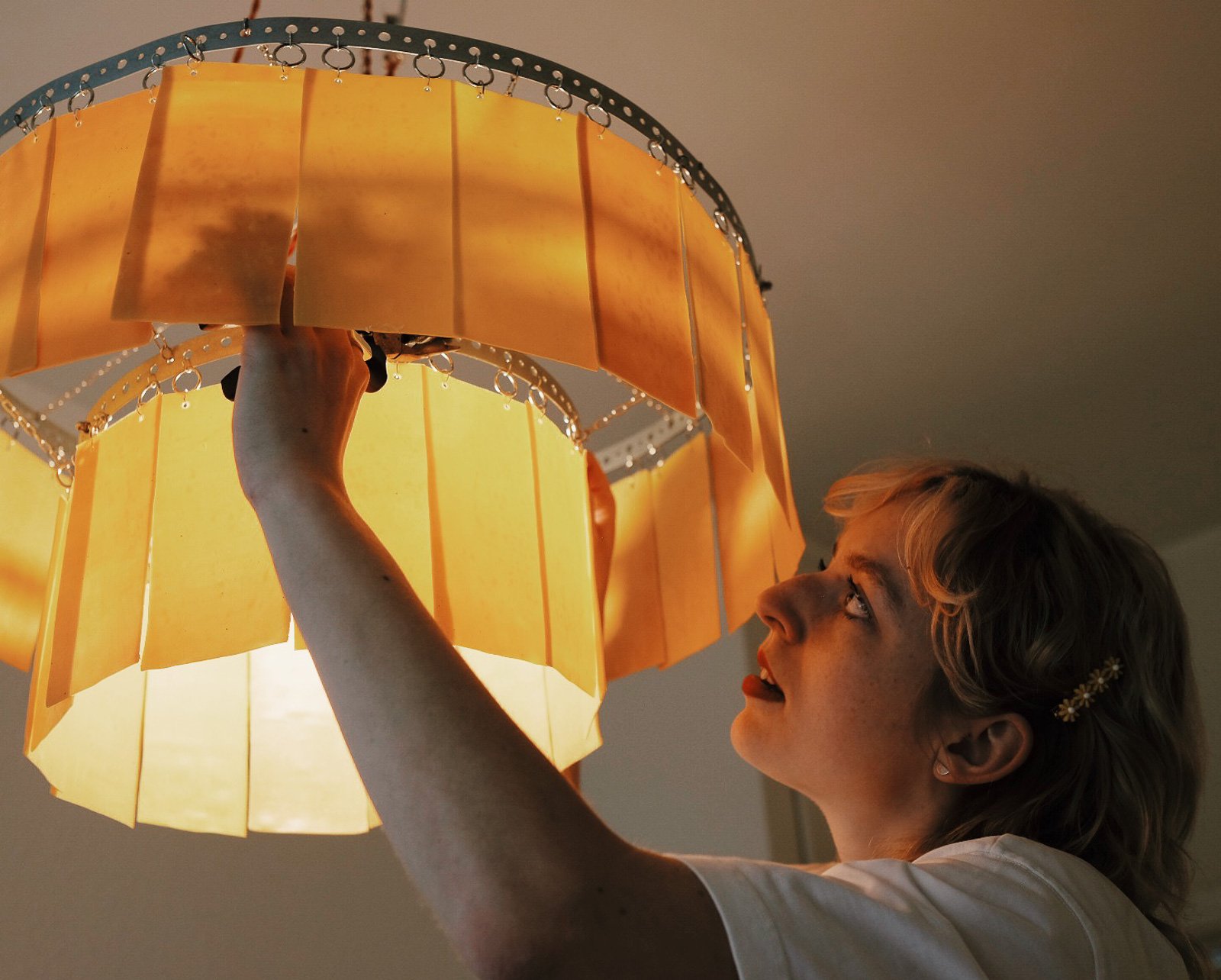
A year later I was still living in the space. But since I sold some of the pieces I started to bring back some of my old things. The home became a mix of things I like and things I made. In this mixed state, it was photographed for Swedish Elle Decoration. (no. 10 2023) The pictures below are taken by Petra Bindel and Emma Persson Lagerberg for this article.